Selecting the right color for your kitchen cabinets is a significant decision that can profoundly affect the overall look and feel of your kitchen. Whether you’re aiming for a modern, cozy, or unique atmosphere, the color of your cabinets plays a crucial role in establishing the desired environment. This thorough guide offers practical advice on selecting colors that not only complement your kitchen’s décor but also enhance the atmosphere you seek during your kitchen remodeling near me in Des Plaines journey.
1. Review Your Kitchen’s Existing Elements
Before selecting colors, assess the current components in your kitchen:
- Walls and Backsplash: The colors and patterns of your walls and backsplash will influence your cabinet color choices.
- Flooring: The type and color of your flooring provide a foundation for your color palette.
- Countertops: Whether your countertops are granite, quartz, or laminate, their color and texture are important considerations.
- Appliances and Fixtures: Stainless steel appliances offer versatility, while colored appliances can serve as standout features.
Understanding these elements ensures that your kitchen remodel results in a cohesive and harmonious space.
2. Define the Desired Atmosphere
Different colors can create varying moods and settings:
- Warm Colors (Red, Orange, Yellow): Create an energetic and lively environment, ideal for kitchens where you entertain guests.
- Cool Colors (Blue, Green, Gray): Foster a calm and serene atmosphere, perfect for a relaxed kitchen setting.
- Neutral Colors (White, Beige, Taupe): Provide versatility and timelessness, making the space feel larger and more open.
Consider the mood you want your kitchen to convey when selecting cabinet colors for your remodel.
3. Investigate Popular Cabinet Color Trends
Keeping up with current trends can inspire your selection:
- Classic White: Timeless and versatile, white cabinets brighten the space and suit any style.
- Bold Navy Blue: Adds depth and sophistication, especially when paired with brass or gold hardware.
- Soft Gray: A modern neutral that complements various color schemes and materials.
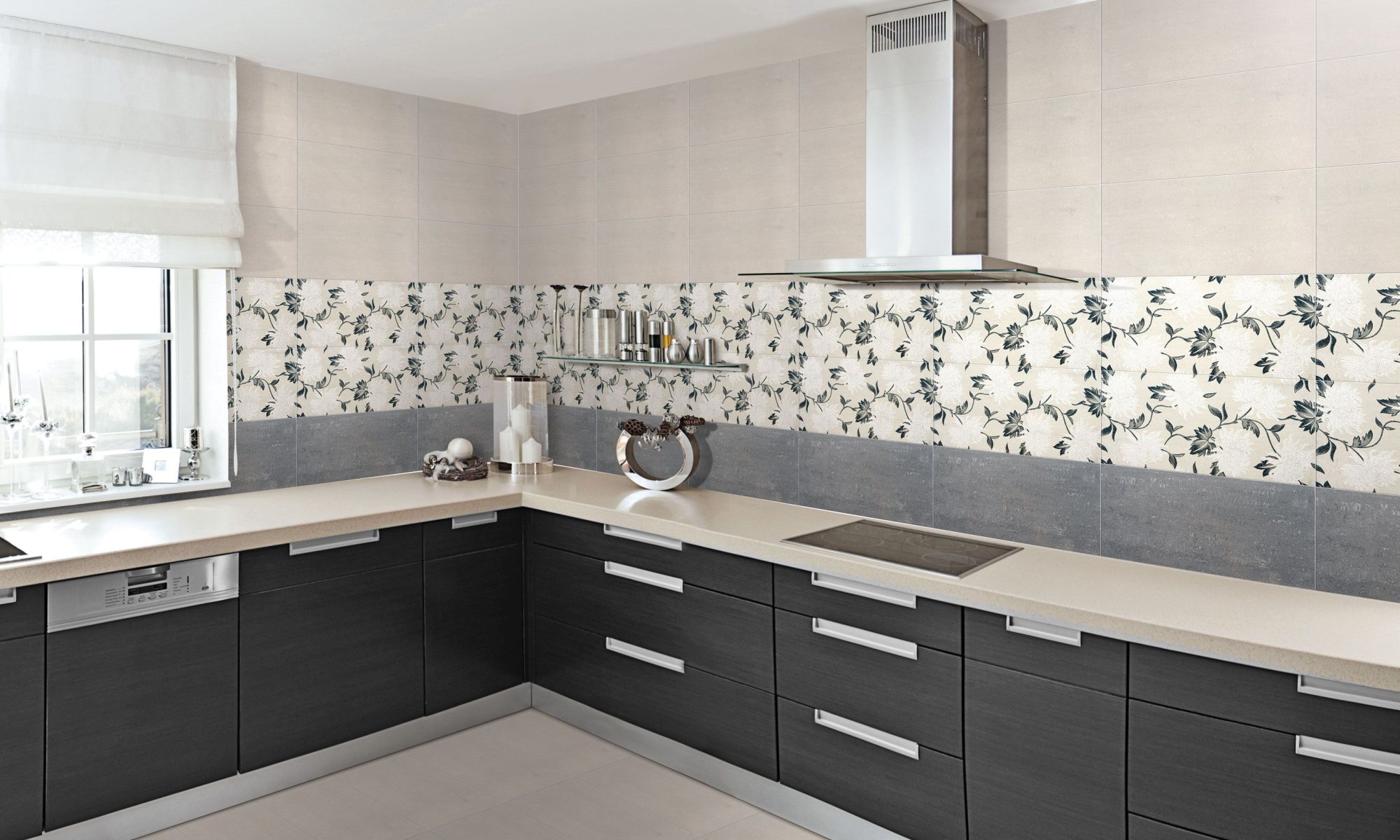
- Two-Tone Cabinets: Combining different colors for upper and lower cabinets adds visual interest and dimension.
- Natural Wood Finishes: Bring warmth and texture, ideal for rustic or farmhouse-style kitchens.
Choose a trend that aligns with your personal taste and kitchen design during your remodeling process.
4. Take Kitchen Size and Lighting into Account
The size and lighting of your kitchen can influence how colors appear:
- Small Kitchens: Light shades like white, pale gray, or soft pastels can make the space appear larger and more open.
- Large Kitchens: Darker hues like charcoal, navy, or forest green can add coziness and sophistication.
- Natural Lighting: Kitchens with ample natural light can handle darker or bolder colors without feeling cramped.
- Artificial Lighting: Warm LED lighting enhances warm tones, while cooler lighting complements blues and grays.
Assess your kitchen’s size and lighting to choose a color that enhances the space during your remodel.
5. Ensure Compatibility with Adjacent Decor
Your kitchen should blend seamlessly with neighboring rooms:
- Consistent Color Palette: Use colors that complement those in nearby spaces for a unified look.
- Accent Colors: If adjacent rooms feature bold colors, neutral cabinet colors can balance the palette, and vice versa.
- Style Harmony: Ensure that the cabinet color matches the overall style of your home, whether it’s modern, traditional, or eclectic.
Creating harmony throughout your home enhances both aesthetic appeal and unity during your kitchen remodeling.
6. Experiment with Colors Before Finalizing
Colors can appear differently under various lighting conditions and with different materials:
- Sample Paints: Apply sample paints and place them in your kitchen to observe how they look throughout the day.
- Hardware Samples: Consider how the color of your cabinet hardware interacts with your chosen cabinet color.
- Virtual Visualization Tools: Utilize virtual tools offered by some retailers to see different color combinations in your kitchen.
Testing colors helps prevent costly mistakes and ensures satisfaction with your kitchen remodeling choices.
7. Consider Long-Term Suitability
While trendy colors can be appealing, think about the longevity of your cabinet color:
- Timeless Shades: Neutral and classic colors tend to remain stylish over the years.
- Maintenance: Light colors may show stains and wear more easily, while darker colors can hide imperfections.
- Resale Value: If you plan to sell your home, choose colors that have broad appeal and are unlikely to deter potential buyers.
Balancing personal preference with long-term practicality ensures lasting satisfaction with your kitchen remodeling project.
8. Seek Professional Advice
When in doubt, consulting with a professional can provide valuable insights:
- Interior Designers: They offer expert recommendations tailored to your space and preferences.
- Color Consultants: Specialists who assist in choosing colors that complement your existing décor and desired atmosphere.
- Kitchen Remodelers: Professionals who understand the latest trends and practical aspects of kitchen design.
Professional guidance can streamline the decision-making process and enhance the final outcome of your kitchen remodel.
Choosing the right color for your kitchen cabinets involves a combination of personal preference, aesthetic considerations, and practical factors. By reviewing your kitchen’s existing elements, defining the desired atmosphere, exploring trends, and testing colors, you can make an informed decision that elevates your kitchen’s style and functionality during your kitchen remodeling. Whether you select timeless white, bold navy, or soft gray, the perfect cabinet color is ready to transform your kitchen into a space you love.